How to see in the dark
Upstream
Upstream is an offering of essays that map the landscape as I see it. Subscribers get full access to my work. If you are already a member, please login below.
If you are not currently a member but would like to join, please click here.
I am publishing January's Upstream a little earlier in line with the Solstice. Your next installment will arrive in early February. May I use this opportunity to thank you for supporting this writing venture, it means so much to me. Have a wonderful Christmas.
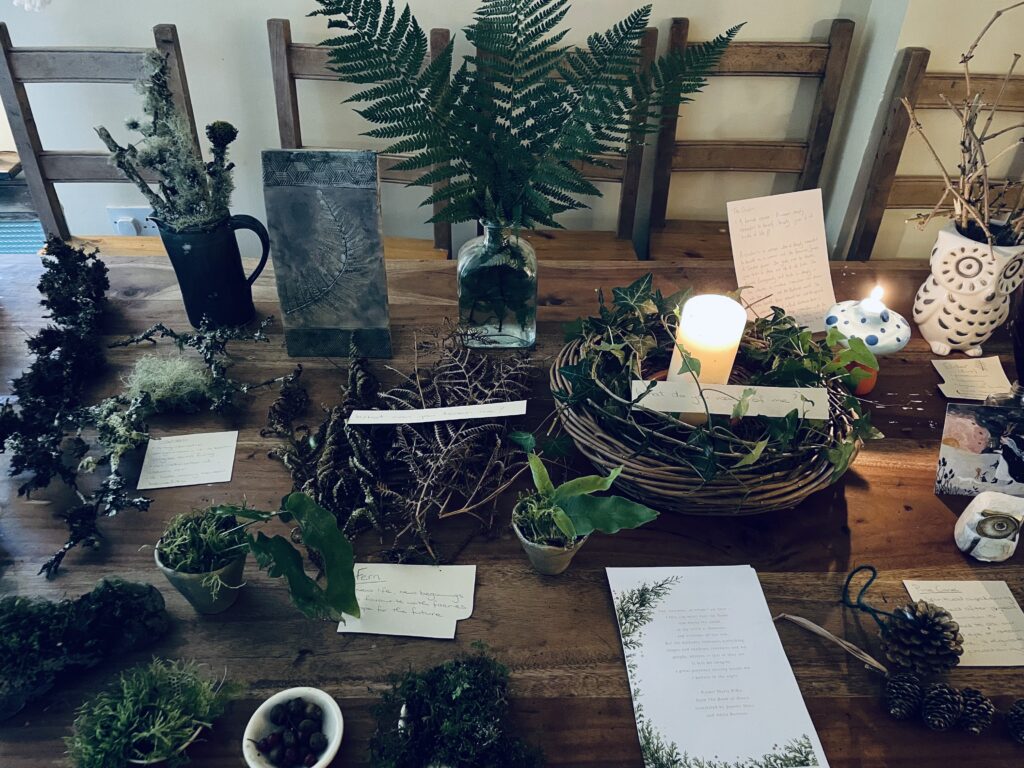
There is no darker point of the year than the new moon in December. There is a viscosity to the blackness, like treacle, cloying at my feet as I wade through the woodland. I am gathering materials for a winter solstice retreat: brittle ferns, hawthorn aglow with lichen, catkins, sheep’s wool and feathers. I could forage for these in daylight, of course, but I want to harvest darkness itself as it clings to the bracken and hides in the warp of the wool.
The wind tears at my hood until my head is uncovered. It tugs at my clothing, sings in my ear and rushes through my teeth and into my mouth. The Cailleach, crone of winter, is afoot.
What has ended?
Once home, I arrange my treasures on the table. I write love letters from birch, elder and moss to the women who are coming to mark the darkest point of the year. I arrange candles among the ivy, tuck poetry into the ferns and type questions to deepen curiosity: What has ended?
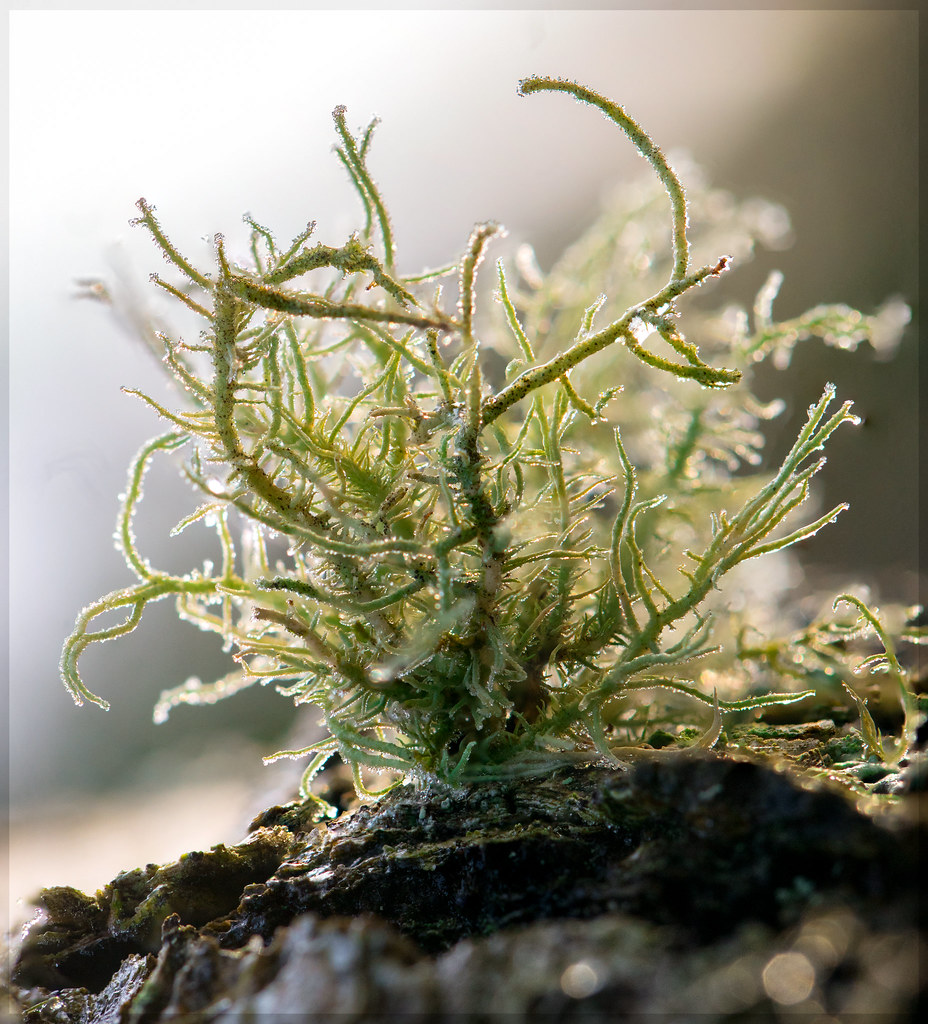
It is the best winter buffet I can lay, a rich spread of plant life, nuts, fungi, rock and feather. At this time of the year, when it is hard to brave the elements, we can overlook so much. What I hope to create, by bringing nature indoors, is an opportunity to pay closer attention. Here is lichen, a symbiosis of algae and fungi, a stunning, neon partnership that lights a flare in praise of clean air.
I begin our time by reading Maggie Smith How Dark the Beginning.
All we ever talk of is light—
let there be light, there was light then,
good light—but what I consider
dawn is darker than all that.
So many hours between the day
receding and what we recognize
as morning, the sun cresting
like a wave that won’t break
over us—as if light were protective,
as if no hearts were flayed,
no bodies broken on a day
like today. In any film,
the sunrise tells us everything
will be all right. Danger wouldn’t
dare show up now, dragging
its shadow across the screen.
We talk so much of light, please
let me speak on behalf
of the good dark. Let us
talk more of how dark
the beginning of a day is.
We pause here.
A Miracle
Everything begins in the dark. The seed is buried, the baby nurtured in the dark womb, a day begins at nightfall and a year in the time of least light. This is a quiet, fertile time to plant dreams and cherish connection. We hold hazelnuts in our palms, the hard shells are mostly cracked or rotten and the true nut is the size of my fingernail. We consider its journey into the cold, dark soil, the layers of leaves heaped upon it and the freeze of earth as winter rages on. How can this nub of hard brown nut become a hazel tree? It is a miracle.
Next, we engage in ‘shamanic dreaming,’ a practice conceived by Manda Scott when writing her historic novels. She now teaches this type of dreaming in her Accidental Gods programme to build connection between people and the land. For us, this meant creating quiet contemplative space in a very busy season. We gathered items from the table that interested us, then settled in a quiet room. We simply beheld the objects, giving them our full attention, then allowed our minds to wander. To dive into a cushion of moss and emerge on the other side requires an act of great imagination! The ceremony allowed us to unmoor mind from body, to look down on ourselves and gain some perspective.
Manda describes her experience of shamanic dreaming at the winter solstice. She had a vision of a web of light covering the earth in which each node is ‘a node of consciousness’. What I find beautiful about her retelling is that only some of these nodes are human, others represent the animal beings, trees and plant life with whom we share the planet.
A Web of Light
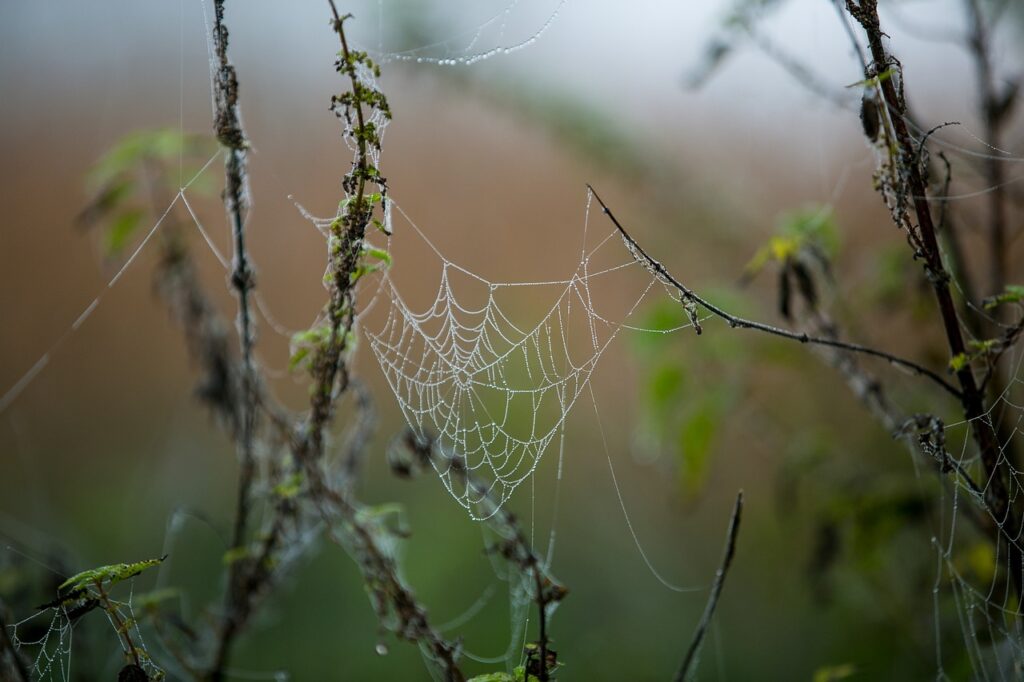
This vision of a web that connects us to one another allows us to acknowledge that when people suffer on the other side of the world, we are all impacted. When war is waged, when people discriminate, when there is violence and terror and death, we all suffer. When the earth is plundered, we bear the scars. The web also allows us to trace our connection to the song thrush, the wild strawberry and the tide that rises and falls without fail. If we are connected to pain, we are also connected to rebirth, joy and beauty. We then follow the thread back to ourselves and realise that how we move through the world matters.
‘This is the web of life, and I can feel it. I am a living part of it. I am empty and open, and I am here, fully conscious, fully aware and fully alive in ways that make my heart explode. This is what I am here for. To take my part in the web, so open, so clear, so connected that I can ask: “What do you want of me?”’ (From a conversation between Manda Scott and Sharon Blackie in Hagitude)
Sparrowhawk
Yesterday, I came face to beak with a sparrowhawk. I have been courting her for months, watching her streak like a bullet past my window, too fast to catch with my binoculars. Then, she perched on the fence post only a stone’s throw from my bedroom and did not move. Even when I knelt at the window ledge and made eye contact, even when I spoke to her. What do you want of me?
I am careful with the seeds I plant at the solstice. This time last year I was home educating my three children, we were completing work on our first house, and my husband was settled in his job. I tucked tiny seeds of change in the soil – more time for my work, community, rest. The ground froze, winter raged and by the spring we told our families we were moving to Sligo.
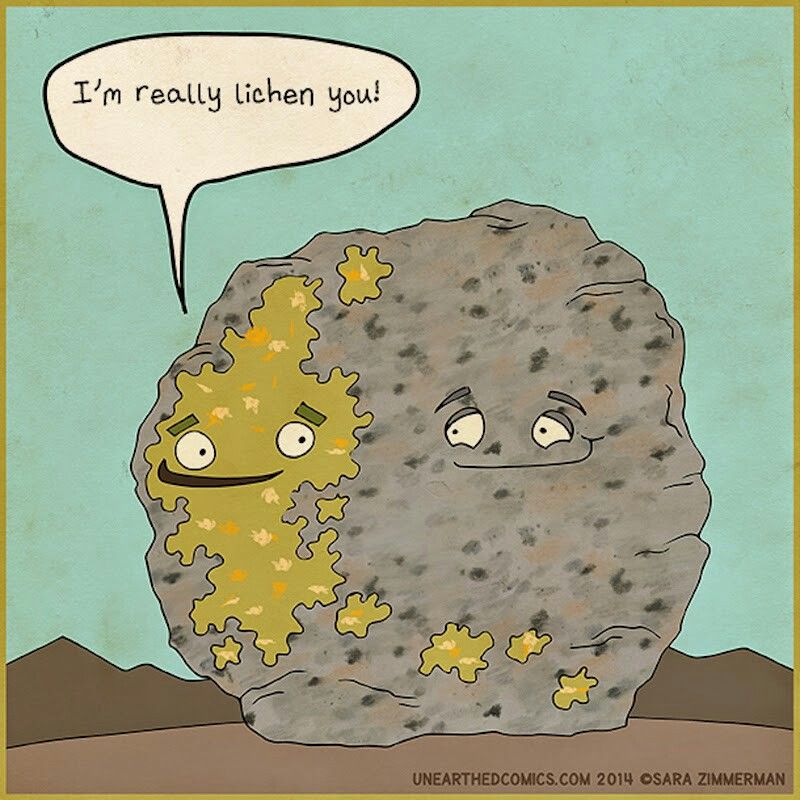
On the morning of this solstice, while I talked fern fronds and catkins, my husband had a successful job interview in Sligo - no more commuting and separation for our family. I placed a large branch of lichen-encrusted blackthorn on the table as a reminder of our symbiosis. The algae partner in the lichen marriage photosynthesizes in order to put food on the table; the fungi build the structure of the lichen thallus, within which they provide conditions for a long term, stable association. The term 'symbiosis' was coined by a biologist studying lichen who needed a word to describe a mutually beneficial relationship between two different organisms living in close physical proximity. I am beginning to understand why Albert Einstein said: 'Look deep into nature and you will understand everything.'
Time to Dream
My solstice gathering was a combination of quiet meditation and journalling. We also had some beautiful mindful movement from one of the participants. Otherwise, it was a self-directed journey that spiraled into darkness then turned to face the direction from which the light will come. By the end of it I was ready to welcome the light, to collect the shards where they fall: the forest floor, a riff on my son’s guitar, the cling of lichen, the sleek body of fox, a fire in the hearth, the deep cave of January and a deeper February still. There will be no New Year resolutions here, just dreaming, listening and resting secure in the many filaments that connect you and I to one another and to the life waiting patiently beneath the earth for the right time to begin.
I will leave you with the blessing I read at the close of our gathering. May it sit beside you and teach you how to see in the dark.
Blessing When the World Is Ending
Look, the world
is always ending
somewhere.
Somewhere
the sun has come
crashing down.
Somewhere
it has gone
completely dark.
Somewhere
it has ended
with the gun,
the knife,
the fist.
Somewhere
it has ended
with the slammed door,
the shattered hope.
Somewhere
it has ended
with the utter quiet
that follows the news
from the phone,
the television,
the hospital room.
Somewhere
it has ended
with a tenderness
that will break
your heart.
But, listen,
this blessing means
to be anything
but morose.
It has not come
to cause despair.
It is simply here
because there is nothing
a blessing
is better suited for
than an ending,
nothing that cries out more
for a blessing
than when a world
is falling apart.
This blessing
will not fix you,
will not mend you,
will not give you
false comfort;
it will not talk to you
about one door opening
when another one closes.
It will simply
sit itself beside you
among the shards
and gently turn your face
toward the direction
from which the light
will come,
gathering itself
about you
as the world begins
again.
—Jan Richardson
from Circle of Grace: A Book of Blessings for the Seasons
Latest Publications
Search Site
related journal entries

People With Whom I Have Worked